

Researchers are now examining whether GLP-1 medications could help treat opioid addiction, a possibility that would extend these drugs well beyond diabetes and weight loss. That question sits alongside a much more contested one today: a viral claim that Ozempic amounts to a plot against overweight people. Between those two poles sits the everyday reality of who can actually get these drugs, what they do to the body and mind, and what patients are learning to manage on their own.
The research on GLP-1s and opioid addiction is still early, but it points to a use for these medications that has nothing to do with blood sugar or body weight. Scientists want to know if the same drugs that curb appetite might also dampen the reward circuits that drive substance use. If that connection holds up under further study, it would mark a real expansion of what these medications are understood to do. For now, the work is a signal to watch rather than a treatment available to patients.
That kind of careful, incremental science stands in sharp contrast to a claim that spread widely today, describing Ozempic as a "fascist" plot to eliminate overweight people. The claim offers no evidence and reflects the kind of rhetoric that surrounds these drugs more than any finding about how they work. It shows how much suspicion still attaches to GLP-1 medications, even as researchers pursue legitimate new applications for them. Readers should weigh claims like this one against the actual research building around these drugs, including the addiction study described above.
Access to these medications is its own story, and in the UK, that access can be strict enough to sound absurd. Under current NHS rationing rules, some patients must weigh as much as a sumo wrestler before they qualify for weight loss jabs. That threshold reflects how tightly the health service is trying to control costs and prioritize the patients it considers most in need. For people who fall just under that bar but still struggle with their weight, the rule can feel arbitrary and out of reach. It is a reminder that eligibility for these drugs varies enormously depending on where a patient lives and what system they rely on.
Once a patient does get access, the next question is what these drugs do beyond the body, and new research offers a reassuring answer with one exception. The findings suggest GLP-1 drugs are largely safe from a psychiatric standpoint, without the widespread mood or mental health risks that some had worried about. But the research does flag one finding that still raises questions, and it is significant enough that scientists say it deserves more attention rather than a quick dismissal. Patients and doctors should treat this as an encouraging result with an asterisk, not a clean bill of health.
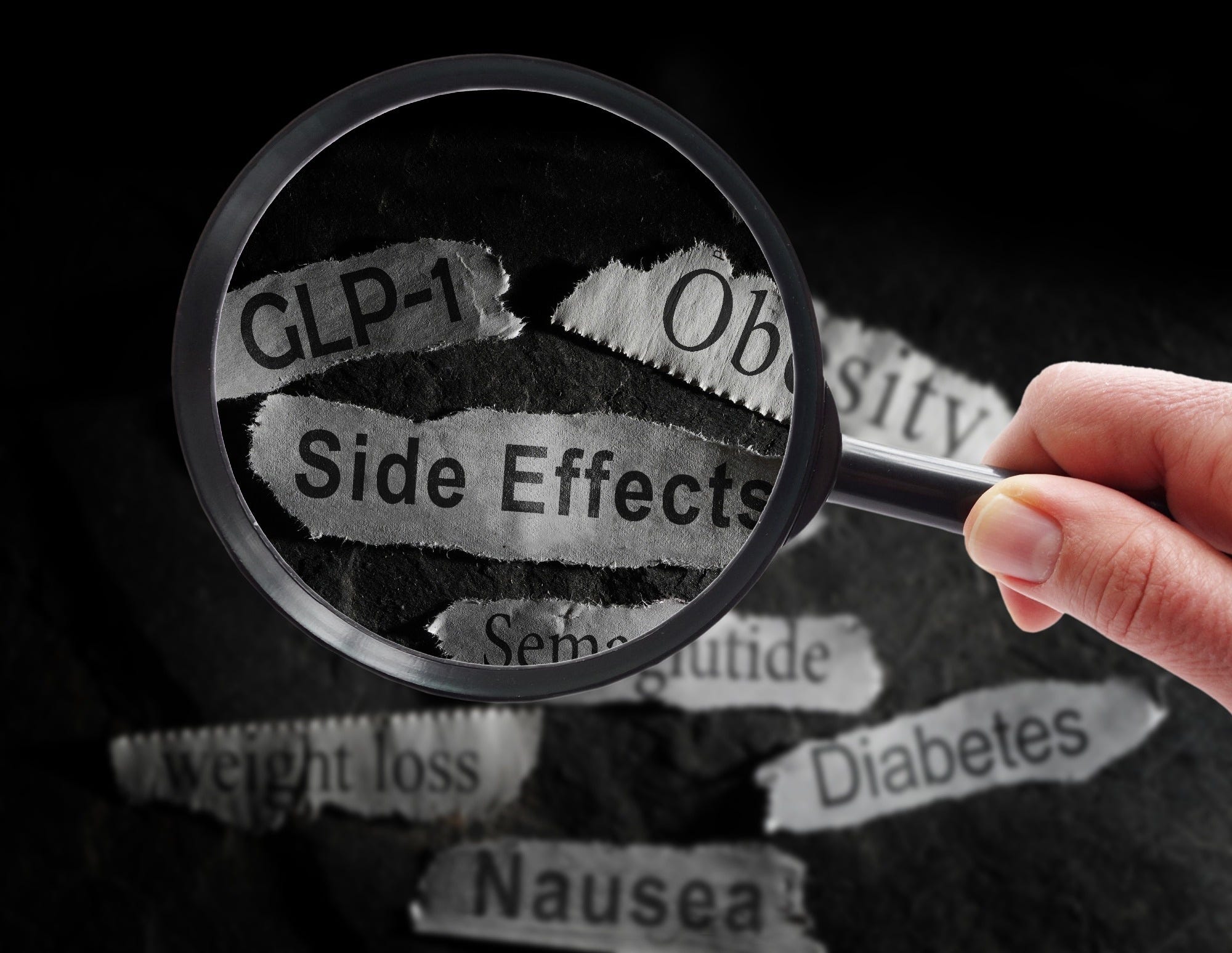
The mental health caveat fits a broader pattern with these drugs: real benefits paired with side effects that are only now getting full attention, and hair loss is a clear example. One writer described how weight loss jabs thinned her hair, turning it into what she called wispy strands, and how she went about restoring it. Her account is a practical one, focused on the steps she took rather than a warning against the drugs themselves. For readers noticing similar changes, her experience offers a concrete data point on managing a side effect that does not get discussed as often as nausea or appetite loss.
Across all of this, the same drugs are being studied for new uses, misrepresented in viral claims, rationed under strict rules, and evaluated for their psychiatric effects, and patients on the ground are still managing the day to day side effects. Readers should keep two things in mind. First, treat sensational claims about these drugs with real skepticism until better evidence arrives. Second, pay attention to the steadier research on safety and access, since that is what will actually shape whether and how a person can use these medications going forward.
Key details
Researchers are studying whether GLP-1 medications could help treat opioid addiction.
A viral claim called Ozempic a "fascist" plot to eliminate overweight people.
NHS rules require some patients to weigh as much as a sumo wrestler for weight loss jabs.
New research suggests GLP-1 drugs are largely safe for mental health, with one caveat.
One writer shared how weight loss jabs thinned her hair, and how she restored it.
Read this on GLP-1 Nation: https://glp1nation.com/edition/41
Every Sunday, the weekly newsletter pulls the full week together: the news from GLP-1 Nation, the access updates from GLP1Laws, the latest GLP-1 Studio podcast episodes, and what changed in the Cozy Butter community.