
Most states have turned down the Trump administration's offer of discounted Wegovy pricing for Medicaid programs, saying the deal still costs too much. The decision affects how easily low-income patients can access weight-loss drugs through public insurance. At the same time, the GLP-1 story keeps expanding well beyond weight loss, touching aging research, new safety questions, drugmaker stock performance, and telehealth pricing. Today's roundup covers all of it.
Both Democratic-led and Republican-led states have said no to the federal pricing offer, which was meant to make it easier for Medicaid to cover drugs like Wegovy for lower-income patients. State officials point to the size of their Medicaid budgets and argue that even discounted prices would still strain them. This bipartisan pushback suggests the barrier is financial and structural rather than political. Wider Medicaid coverage may take longer to arrive than the size of the announcement suggested, and it may require a different kind of proposal before more states sign on.
Researchers are now running clinical trials to see whether tirzepatide and semaglutide can influence some of the biological processes tied to aging, not just weight and blood sugar. The trials are still early, and the findings, if any, are not yet available. If the drugs do show an effect on aging markers, it would extend the conversation around GLP-1 medications well past their current approved uses. For now, this is a research question rather than a treatment claim, and patients should not expect anti-aging benefits from these drugs based on speculation alone.
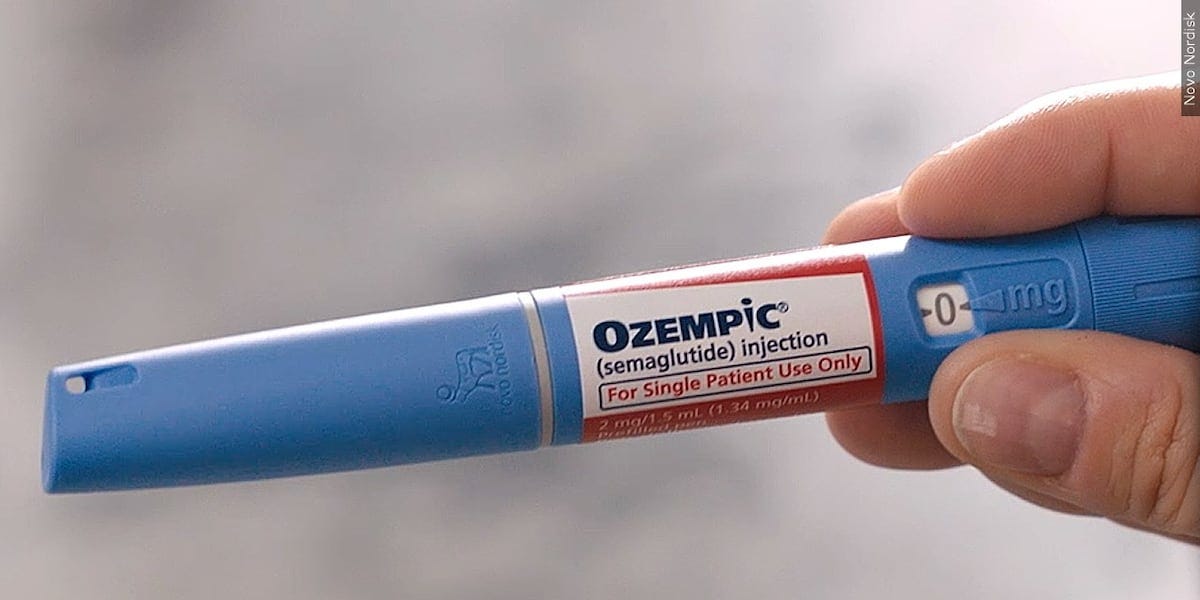
A researcher at Pennington Biomedical has outlined a fuller picture of what GLP-1 drugs can do, including some risks that are getting more attention as usage grows. Muscle loss is one concern, since weight loss on these drugs is not limited to fat tissue. Changes in alcohol cravings have also come up as an area worth watching, alongside ongoing trials of retatrutide. The researcher's comments are a reminder that these drugs, like most medications, carry tradeoffs that patients should discuss with their doctors rather than assume away.
Eli Lilly's stock reached a record high after the company reported that Mounjaro sales grew 91% in the second quarter. The jump reflects strong demand for the drug even as Eli Lilly competes directly with Novo Nordisk in the same market. For patients, this kind of demand can affect supply and availability at the pharmacy counter. For investors, it points to how quickly this drug category is moving from a small niche toward the mainstream of pharmaceutical sales. Either way, the sales figures show that demand for GLP-1 drugs is continuing to grow rather than leveling off.
RxPros has introduced GLP-1 telehealth plans starting at $89, well below the $150 to $300 that most competing telehealth programs charge for semaglutide. For patients paying out of pocket, that difference can make ongoing treatment more affordable and easier to sustain over time. Lower pricing does not replace the need to check credentials and safety practices before choosing a telehealth provider. Readers considering this route should compare what is included in the price, such as consultations and follow-up care, and not judge value on cost alone.
Taken together, these five stories show a drug category that is still working out its place in American health care and finance. Cost remains the biggest obstacle for many patients, appearing both in state Medicaid decisions and in telehealth pricing options. At the same time, the science keeps moving, from questions about aging to new findings on risks like muscle loss. Readers should keep an eye on their own state's Medicaid policy if that affects their access, and talk with a doctor about both the benefits and the tradeoffs before starting or continuing treatment.
Key details
Most states are rejecting Trump's discounted Wegovy pricing deal, citing high costs.
New clinical trials are testing whether GLP-1 drugs can slow biological aging.
A Pennington Biomedical expert notes new GLP-1 risks, including muscle loss and cravings.
Eli Lilly's stock hit a record high as Mounjaro sales grew 91% in the second quarter.
RxPros GLP-1 telehealth plans start at $89, below typical $150 to $300 prices.
Read this on GLP-1 Nation: https://glp1nation.com/edition/27