

Novonesis, the Danish biosolutions company working with Novo Nordisk, says it expects results in the second half of 2027 from a study testing whether microbiome supplements can boost the effectiveness of GLP-1 weight-loss drugs. The timeline gives patients and investors a clearer sense of when this line of research might pay off. It arrives alongside other developments this week that show how quickly the obesity drug field continues to move. Together, these updates matter for anyone using or considering a GLP-1 medication.
That timeline reflects how long it takes to run a rigorous study on the gut microbiome, where differences between patients can obscure results for years. Novonesis is partnering directly with Novo Nordisk, the maker of Wegovy and Ozempic, which means the two companies have already begun laying groundwork for a possible combination approach if the data supports it. For patients currently on GLP-1 drugs, this study will not change anything in the near term. If microbiome supplements are eventually shown to meaningfully improve outcomes, though, it could open a new category of add-on treatments worth watching in the years ahead.
Finding the lowest effective dose matters because it can reduce side effects, which is often the main reason patients discontinue GLP-1 treatment. Novo Nordisk has opened a new late-stage study, listed in a U.S. clinical trials database, to test smaller doses of its Wegovy pill and pinpoint that threshold. A lower effective dose could also make the pill cheaper to manufacture and easier to scale for the many patients who prefer a tablet over a weekly injection. Results are not expected soon, so anyone currently taking the pill should not expect a dosing change in the near term.
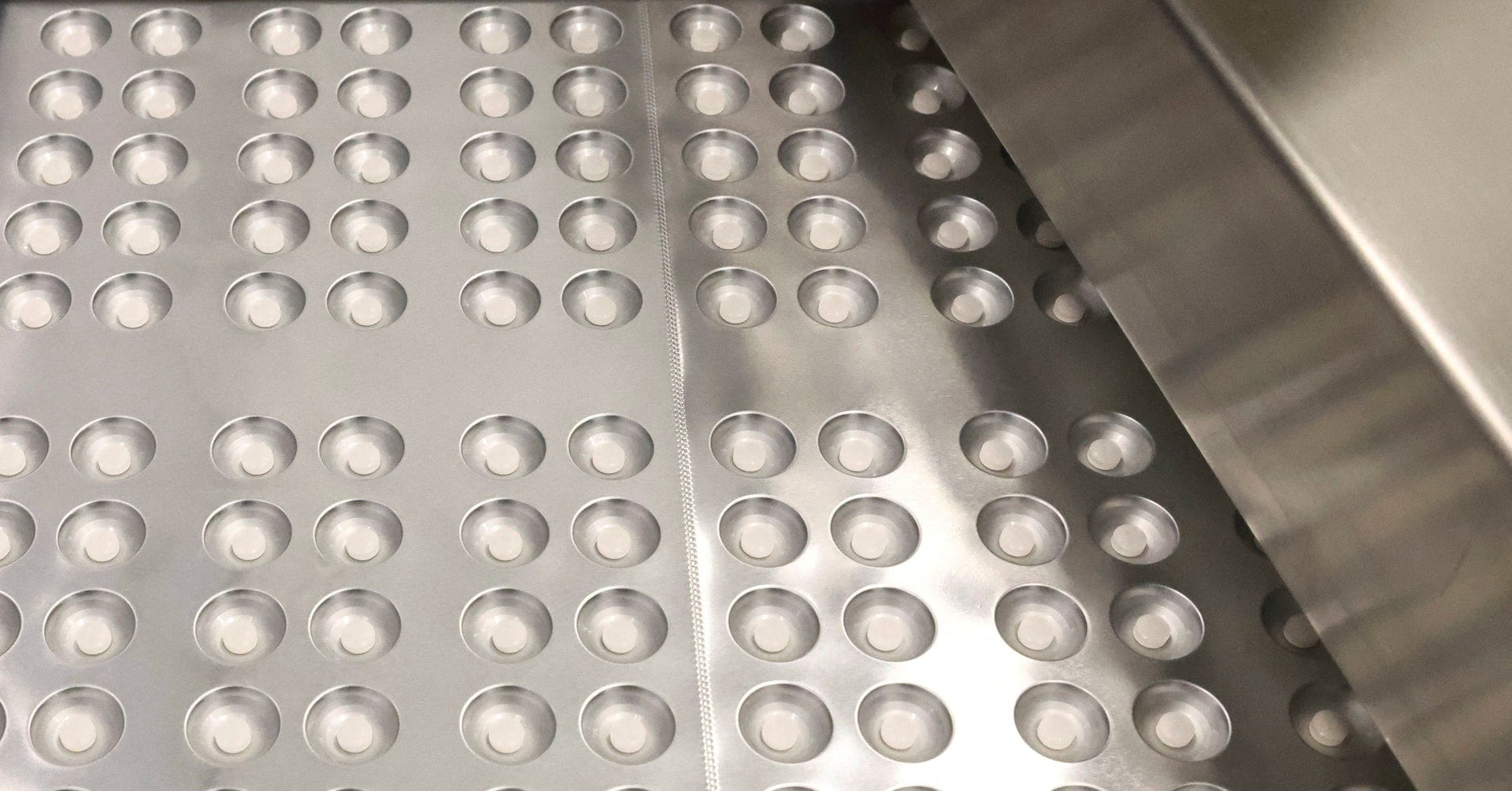
Investors reacted quickly to the news, sending Celon Pharma's shares higher after the Polish pharmaceutical company's early-stage trial showed its generic semaglutide performing comparably to Ozempic. The company describes the trial as an important step toward launching the semaglutide equivalent in markets outside the United States, where patent protections may allow generic competition sooner. If later-stage trials confirm these results, a generic option could eventually lower prices for patients who currently face high out-of-pocket costs for brand-name GLP-1 drugs. Still, a single early trial does not guarantee regulatory approval or a broad market launch, so this remains a development to watch rather than a change to expect soon.
Wells Fargo's analysis shows just how much obesity drugs have reshaped drug development priorities. The category now makes up 25% of the pharmaceutical pipeline, up from just 1% a few years ago, and it has surpassed oncology as the largest single area of research. That shift followed a 140% surge in GLP-1 usage, which convinced drugmakers across the industry to redirect research budgets toward weight-loss and metabolic treatments. For patients, this means more competition and more drug options are likely to reach the market over the next several years. It also signals that companies expect demand for these medications to keep growing rather than level off.
Anyone currently using Saxenda should talk with their doctor well before January, since Novo Nordisk plans to discontinue the drug while still offering its other GLP-1 medications, including Wegovy and Ozempic. Switching treatments abruptly is not ideal, so starting that conversation early gives both patient and doctor time to find a suitable alternative. Doctors can help determine which option makes sense based on dosing needs and insurance coverage, along with how a patient has responded to treatment so far. Patients should also check with their pharmacy or insurance provider to understand how a switch might affect prescription costs.
Taken together, these developments show that the obesity drug field is expanding in several directions, including new formulations and new competitors entering the market. If you currently take Saxenda, it would help to talk with your doctor soon rather than waiting until January. If you are curious about future options such as microbiome add-ons or lower-dose pills, keep in mind that the results are still years away. And if cost has kept you from starting or continuing GLP-1 treatment, the arrival of generic competitors like Celon Pharma's may be worth watching in the months ahead.
Key details
Novonesis expects 2027 results on whether microbiome supplements boost GLP-1 drugs.
Novo Nordisk is testing lower Wegovy pill doses to find the smallest effective amount.
Celon Pharma's generic semaglutide matched Ozempic in an early trial, boosting shares.
Wells Fargo reports obesity drugs now top oncology in pharma pipeline share, up to 25%.
Novo Nordisk will stop selling Saxenda in January while offering other GLP-1 medications.
Read this on GLP-1 Nation: https://glp1nation.com/edition/25