
Nestle is moving to reshape its business around the rise of GLP-1 weight-loss drugs, using artificial intelligence to design nutrition products for people taking medications like Ozempic and Wegovy. This shift comes as the drugs continue to change how millions of people eat and think about food. For readers on these medications, it signals that major food companies are beginning to build products with their specific needs in mind.
The company is betting that people on GLP-1 medications need different kinds of food support, not simply smaller portions of what they already eat. Because these drugs suppress appetite and slow digestion, many users struggle to get enough protein and fiber, along with key vitamins and minerals, from the small amounts of food they do consume. Nestle wants to use artificial intelligence to design products that address these specific gaps, rather than relying on the diet food formulas of the past. If the company succeeds, it could set a template that other food makers follow as GLP-1 use continues to grow.
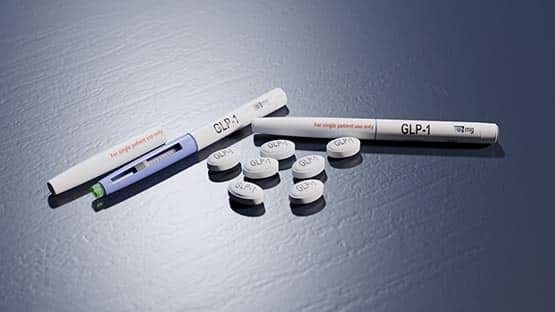
Until recently, anyone considering a GLP-1 medication for weight loss faced one format: a weekly injection. With oral semaglutide now approved by the FDA and available alongside the injectable version, patients and doctors can weigh factors such as convenience and comfort with needles, along with how each option fits their daily routine, against each other for the first time. Some patients may prefer a daily pill over a weekly shot, while others may find the injectable version suits their schedule better. The right choice will likely depend on each patient's lifestyle and how their body responds to the medication, which is a conversation best had directly with a doctor.
For the roughly 8,200 workers in Forsyth County covered by Novant Health's health plan, this decision means losing access to a medication many were relying on to manage their weight or related health conditions. Employers across the country have been wrestling with the high cost of covering GLP-1 drugs, and Novant's move reflects that pressure. Workers affected by the change will need to explore other coverage options or pay out of pocket, which can run into hundreds of dollars a month. This decision may prompt other large employers to reconsider their own GLP-1 coverage policies as costs continue to climb.
Researchers at Yale are examining how GLP-1 drugs interact with the neurons in the brain that regulate hunger, hoping to explain more precisely why these medications work so effectively for weight loss. Understanding this connection between the brain and the body could help scientists develop next-generation treatments that are more targeted and may come with fewer side effects. It could also help doctors predict which patients are likely to respond best to a given medication. For patients currently on these drugs, this kind of research offers a clearer picture of what is happening inside their body, even if it does not change their treatment today.
A growing number of parents are pursuing Ozempic and Wegovy for children struggling with obesity, even though these drugs are not approved for that specific off-label use in younger patients. This trend reflects both the rising rates of childhood obesity and parents' desire for options beyond diet and exercise programs that have not worked for their child. Doctors who prescribe these medications off-label for children face limited long-term data on how GLP-1 drugs affect a developing body. Parents considering this path should discuss the potential risks and unknowns thoroughly with their child's pediatrician before moving forward.
Taken together, these developments show that GLP-1 medications are reshaping decisions well beyond the doctor's office, from what food companies put on shelves to what employers cover and what parents consider for their children. If you take one of these medications, or care for someone who does, I would suggest checking in with your doctor about how new research and new formulations might affect your treatment plan. Coverage policies and product options are shifting quickly, so staying informed will help you make decisions that fit your health and your budget.
Key details
Nestle plans AI-based nutrition products for people taking GLP-1 weight-loss drugs.
Oral semaglutide's FDA approval gives patients and doctors a new treatment choice.
Novant Health is ending GLP-1 coverage for about 8,200 workers in Forsyth County.
A new Yale study looks at how GLP-1 drugs interact with the brain's hunger neurons.
Parents are increasingly turning to Ozempic and Wegovy off-label for kids with obesity.
Read this on GLP-1 Nation: https://glp1nation.com/edition/22