

Mounjaro just picked up FDA approval to lower the risk of heart events in people with Type 2 diabetes, a real win for patients who rely on it. That approval lands the same week President Trump's dismissive comments about these medications drew pushback from doctors and patients who say the drugs have worked for them. Elsewhere, Leslie Mann gave an update on husband Judd Apatow's weight after Ozempic, and investors are eyeing baldness treatments as the next frontier beyond GLP-1s.
This expansion matters because it moves Mounjaro beyond weight management and glucose control into cardiovascular protection, a category regulators do not approve lightly. The FDA's decision means doctors can now point to major cardiac events, not just blood sugar or scale numbers, when they talk with Type 2 diabetes patients about the drug's value. For patients who have worried about heart attacks or strokes on top of managing diabetes, that added evidence may change how the medication fits into their care. It also strengthens the argument, made repeatedly by physicians, that these drugs address more than surface-level metrics.
That kind of measurable outcome represents one end of the spectrum. At the other is the kind of personal, imperfect story that circulates in interviews rather than clinical trials. Leslie Mann told reporters her husband, director Judd Apatow, has actually gained weight since he began taking Ozempic doses, a detail that runs counter to the drug's public reputation for steady weight loss. It is a reminder that individual results vary, and that not every GLP-1 experience follows the same pattern, even when the underlying medication is the same.
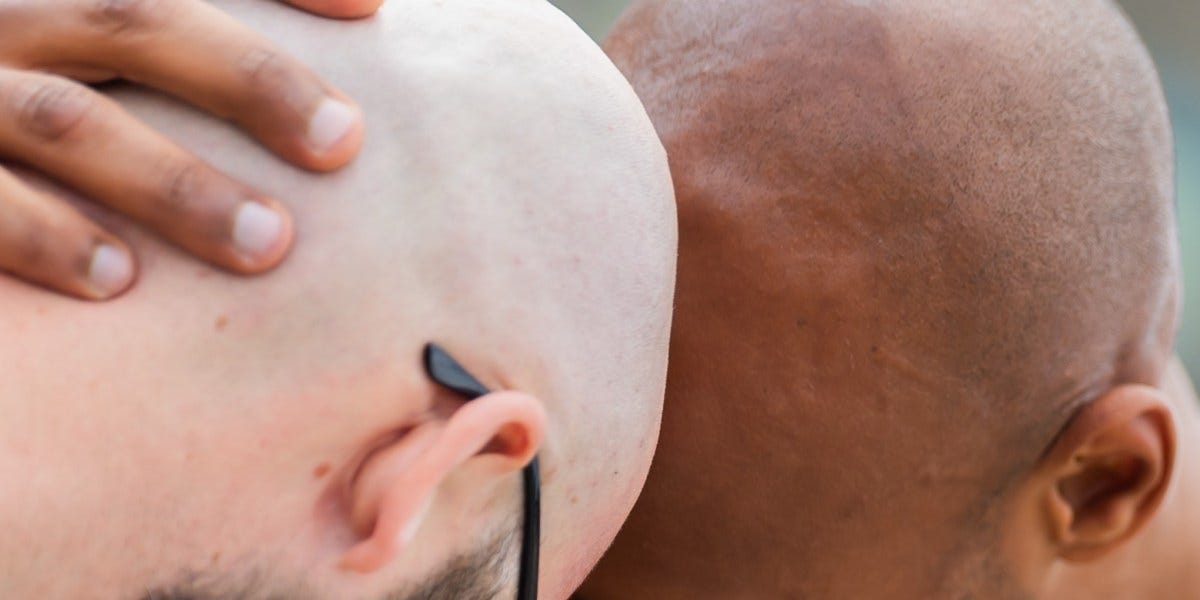
Variation in outcomes is one concern, but the complete absence of new treatment options is a different problem entirely, and it is the one now drawing investor attention to pattern hair loss. An estimated 50 million men and 30 million women in the US live with the condition, yet no new drug has been approved for it since the late 1990s. That gap has made hair loss look, to some in the pharmaceutical industry, like an opportunity similar to what GLP-1 drugs represented before they became widely used. Whether that translates into new treatments remains to be seen, but the market size alone explains the interest.
Set against that backdrop of expanding uses and unmet needs, the political criticism aimed at these medications looks out of step with the clinical evidence to doctors and patients who use them. President Trump's characterization of the drugs was met with direct pushback from physicians, who described them as effective for the conditions they treat. Patients echoed that response, saying the medications have worked for them regardless of how they are discussed publicly. The disagreement highlights a gap between political rhetoric and the medical experience of people actually taking these drugs.
Taken together, these stories show a treatment category still finding its shape. Regulatory approval, individual results, market speculation, and public debate are all moving at once, and no single narrative captures where GLP-1 medications stand right now. If you are currently taking one of these drugs, talk with your doctor about how new approvals or reports might apply to your own treatment plan. If you are following this area as an observer, remember that both the clinical data and the political conversation are still developing.
Key details
Mounjaro now has FDA approval to lower heart event risk in Type 2 diabetes.
Leslie Mann said her husband, director Judd Apatow, gained weight after his Ozempic use.
Pattern hair loss affects 50 million men and 30 million women; no new drugs since 1990s.
Doctors and patients pushed back on Trump's comments, calling these medications effective.
Read this on GLP-1 Nation: https://glp1nation.com/edition/33