
Stanley Druckenmiller and Ken Griffin both added Eli Lilly shares to their portfolios in recent filings, putting two of Wall Street's most closely watched investors on the same side of the GLP-1 trade. For anyone holding Lilly stock, that conviction carries weight. A new study out today linked these drugs to hair loss in men, a reminder that GLP-1 medicines reach well past stock charts and into how they affect the body, including young children now being prescribed them.
Druckenmiller's Duquesne Family Office and Griffin's Citadel both increased their stakes in Eli Lilly during the most recent quarter, according to regulatory filings. Neither investor is known for chasing hype, and their moves suggest a read on Lilly's fundamentals rather than a bet on short-term stock swings. Lilly's GLP-1 drugs, Mounjaro and Zepbound, have driven much of the company's recent growth, and institutional buying at this scale tends to draw attention from retail investors who track filings for cues. That attention matters for readers who hold Lilly shares directly or through funds, since large purchases by prominent managers can influence how other investors perceive the stock's near-term direction.
Viking Therapeutics tells a different story. Its shares currently trade well below the price targets that Wall Street analysts have set, and that gap has drawn out skeptics who question whether the company's obesity drug candidate can compete with established players like Lilly and Novo Nordisk. The skeptical case centers on execution risk: Viking still needs to clear trial and approval hurdles that Lilly has already passed with its own GLP-1 products. For investors weighing whether the discount reflects a buying opportunity or a fair warning, the answer depends on how much confidence they place in Viking's pipeline reaching the market on schedule.
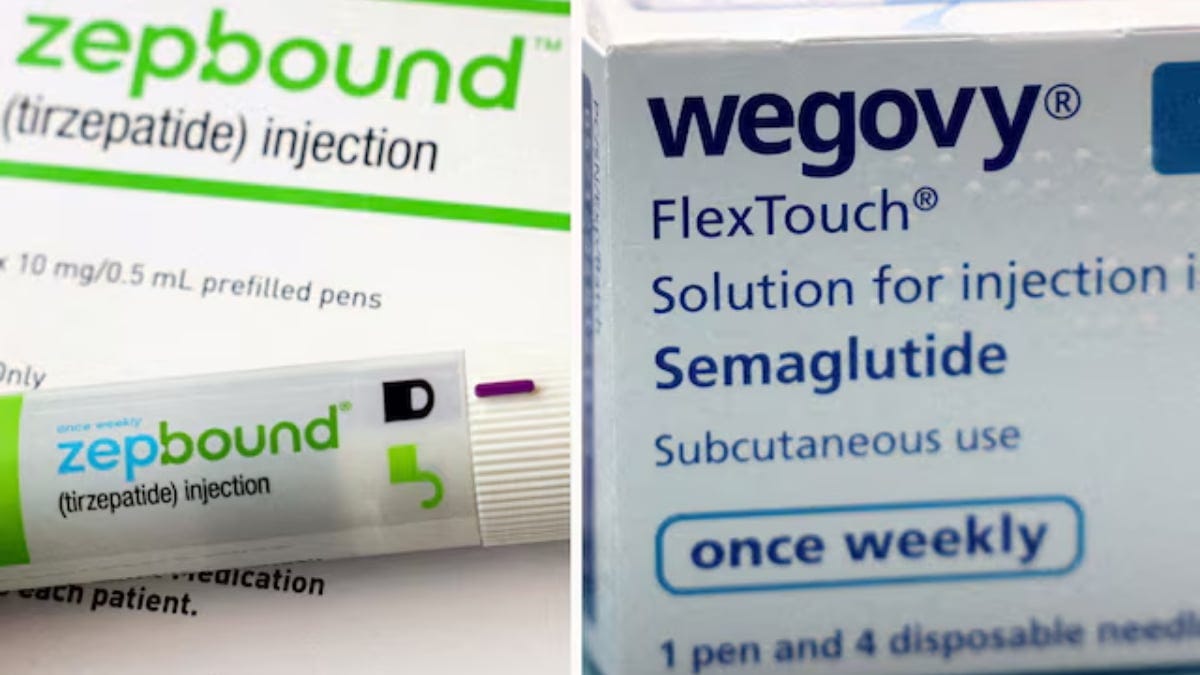
That contrast between an established leader and an unproven challenger sets up the next question directly: what does a stake in Lilly itself look like a few years from now? A new prediction models what a $5,000 investment in Eli Lilly today could become in five years, based on the company's current growth trajectory in its GLP-1 business. The projection leans on continued demand for Mounjaro and Zepbound and on Lilly's ability to keep expanding manufacturing capacity to meet it. Readers should treat any five-year forecast as one scenario among several, since drug pricing policy, competition, and manufacturing constraints could all shift the outcome in either direction.
Away from the stock market, a new study looked at a side effect that has come up often in patient reports: hair loss during GLP-1 treatment. Researchers found a genetic link between weight loss medicines and hair loss specifically in men, suggesting that some individuals may carry a predisposition that makes this side effect more likely for them. The finding does not mean hair loss is inevitable for men on these drugs, but it does give doctors and patients another factor to discuss when weighing the medicines' benefits against their side effects. Readers who have noticed hair thinning while on a GLP-1 drug may want to raise this study with their prescriber rather than draw conclusions on their own.
A second study published today shifts the focus to an even younger group of patients. Researchers found that more children under age 12 in the United States are being prescribed GLP-1 weight-loss drugs, a trend that has grown alongside the medicines' rising use in adults. The study does not detail the long-term effects of these drugs in such young patients, and that gap in the research is likely to shape how pediatricians and parents approach prescribing decisions going forward. Combined with the hair loss findings, it points to a broader need for more data on how GLP-1 medicines affect different groups of patients over time.
Taken together, today's developments point in two directions at once: growing confidence in Lilly's business from some of the most experienced investors in the market, and growing caution from researchers studying how these drugs affect patients, including men prone to hair loss and children as young as the ones now being prescribed them. Readers holding Lilly or Viking stock should weigh the financial case on its own terms, separate from the clinical questions still being studied. And anyone considering a GLP-1 medicine for themselves or a child should bring these new findings to a conversation with their doctor rather than treat them as a final answer.
Key details
Stanley Druckenmiller and Ken Griffin have both been buying up shares of Eli Lilly.
Viking Therapeutics shares trade well below Wall Street price targets, drawing skeptics.
A new prediction shows what a $5,000 Eli Lilly investment could become in five years.
A new study found a genetic link between weight loss medicines and hair loss in men.
A new study finds more US children under 12 are being prescribed GLP-1 weight-loss drugs.
Read this on GLP-1 Nation: https://glp1nation.com/edition/40
Every Sunday, the weekly newsletter pulls the full week together: the news from GLP-1 Nation, the access updates from GLP1Laws, the latest GLP-1 Studio podcast episodes, and what changed in the Cozy Butter community.