

Aspen Pharmacare told investors this week that Mounjaro sales across Africa should clear $124 million this year, a sign of how fast Eli Lilly's drug is moving into new markets. That growth sits alongside a less comfortable trend at home, where GLP-1 use among children under 12 is climbing without FDA approval for that age group. Lilly's stock got a vote of confidence from investors this week, even as Citi held firm on its Sell rating for rival Novo Nordisk. A new study on longevity adds another angle worth watching.
Aspen Pharmacare's guidance points to a market that is still expanding quickly. The company expects Mounjaro sales across Africa to exceed $124 million (2 billion rand) in its current financial year, driven mainly by strong demand in South Africa. Aspen also has plans to launch the drug in Nigeria and Kenya, which would extend Eli Lilly's reach further across the continent. For Lilly, this expansion adds another growth market outside the more saturated US and European demand that has defined the GLP-1 story so far.
That kind of demand is not confined to adults. Reporting this week shows GLP-1 use among children under 12 in the United States has risen sharply, even though the FDA has not approved these drugs for that age group. Parents and doctors appear to be turning to off-label prescribing as interest in GLP-1 treatment spreads beyond its original approved uses. The trend raises questions about oversight and long-term safety data for a population that has not been studied in the same way adults have.
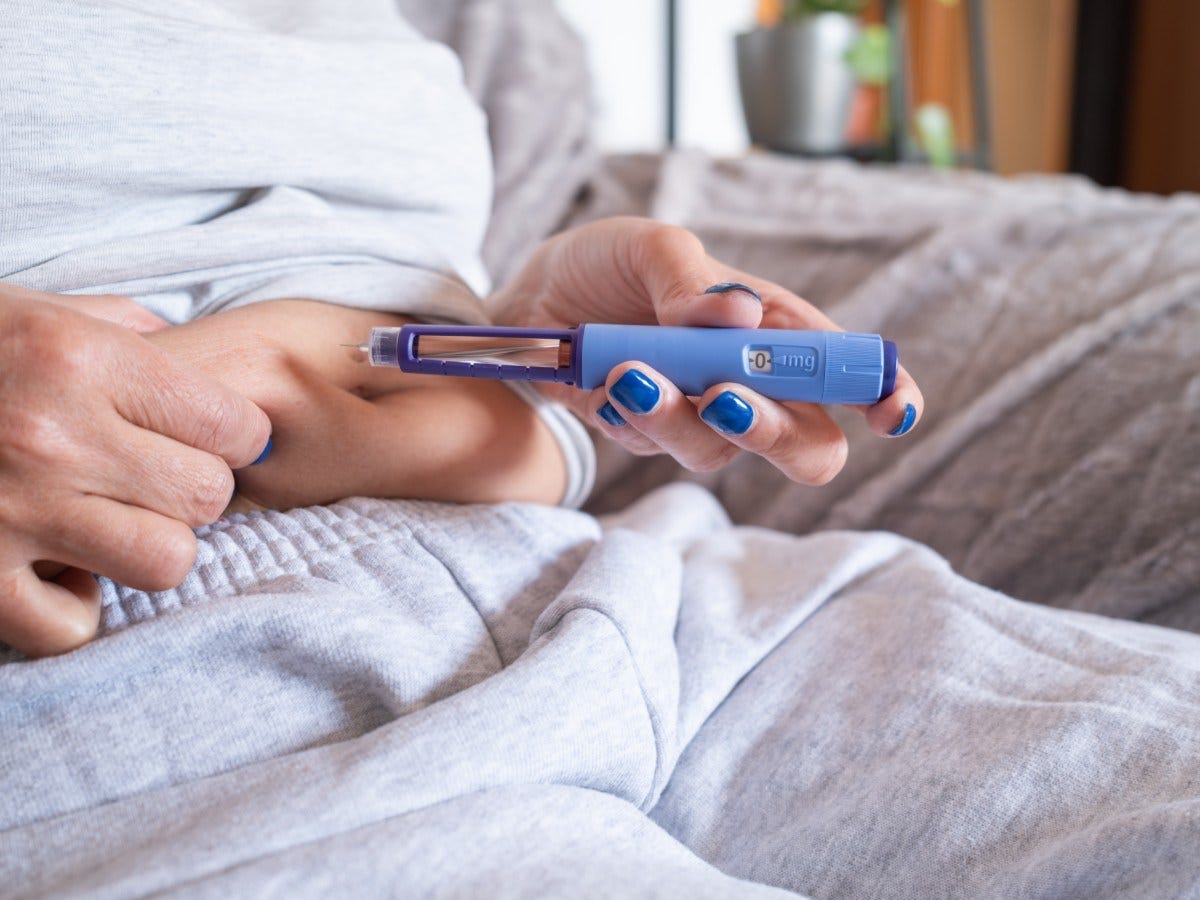
Eli Lilly's own investors got a more straightforward piece of news this week. Coverage described encouraging developments for the stock's outlook, adding to a run of good news for the company as its GLP-1 portfolio, including Mounjaro, continues to find new markets like the African launches Aspen is counting on.
Not every company in the GLP-1 market is getting the same reception from Wall Street. Citi reiterated its Sell rating on Novo Nordisk this week, pointing to signs that GLP-1 prescription growth is cooling. That call stands in contrast to the expansion Lilly is seeing through partners like Aspen, and it suggests the market may be starting to draw sharper lines between winners and laggards as the GLP-1 category matures.
Alongside the business news, a new study offers a reason for patients to pay attention beyond weight loss or diabetes control. Researchers report that GLP-1 drugs could help people live longer, adding to a growing body of research on the broader health effects of these medications. The findings are preliminary, but they add another dimension to why demand for these drugs keeps climbing in markets old and new.
The through-line here is that GLP-1 treatment keeps expanding into new markets and new age groups faster than the regulatory and investment picture can fully catch up. If you or someone in your family is using one of these drugs, or considering it, that gap is worth raising directly with a doctor rather than assuming approval or years of data automatically cover your situation. And if you are watching this as an investor, the split between Lilly's momentum and Novo Nordisk's slowing growth is a reminder that the category is no longer treated as a single story.
Key details
Aspen Pharmacare projects Mounjaro sales across Africa will top $124 million this year.
GLP-1 drug use among US children under 12 is rising sharply, despite lacking FDA approval.
Eli Lilly investors received encouraging news this week about the stock's outlook.
Citi kept its Sell rating on Novo Nordisk as GLP-1 prescription growth signals cooling.
A new study suggests GLP-1 drugs could help people live longer, researchers report.
Read this on GLP-1 Nation: https://glp1nation.com/edition/38
Every Sunday, the weekly newsletter pulls the full week together: the news from GLP-1 Nation, the access updates from GLP1Laws, the latest GLP-1 Studio podcast episodes, and what changed in the Cozy Butter community.