

CVS and Walgreens each announced today that they have filled 100,000 prescriptions under Medicare's new Bridge program, which lets eligible beneficiaries get obesity drugs for $50 a month. That number shows how fast demand has moved once the price came down, and it matters to anyone on Medicare who has been priced out of these drugs until now. The same day also brought a big Wall Street bet on Eli Lilly and a new safety flag on a gray-market weight loss compound.
That milestone reflects how quickly the Bridge program's lower price has reached people who could not otherwise afford these drugs. Medicare began the program on July 1, opening obesity drug coverage to certain beneficiaries at a flat $50 monthly cost instead of list price, which can run into the thousands. CVS and Walgreens, two of the largest pharmacy chains in the country, both reported hitting the 100,000-fill mark within weeks of launch, a sign of how much pent-up demand existed before the price dropped. For patients who have avoided these medications because of cost, the pharmacy counts suggest the price barrier is starting to ease in practice, not just on paper.
Investors have noticed the same demand story from a different angle. Ken Griffin, the billionaire founder of Citadel, nearly quadrupled his stake in Eli Lilly during the second quarter, according to regulatory filings. The move suggests he expects more upside in the stock even after its run this year on the strength of obesity drug sales, at a time when some analysts have questioned whether the valuation already reflects that growth. Griffin's bet arrived the same week pharmacies reported record prescription volume, and together the two developments point to a company still expanding in more than one area of its business.
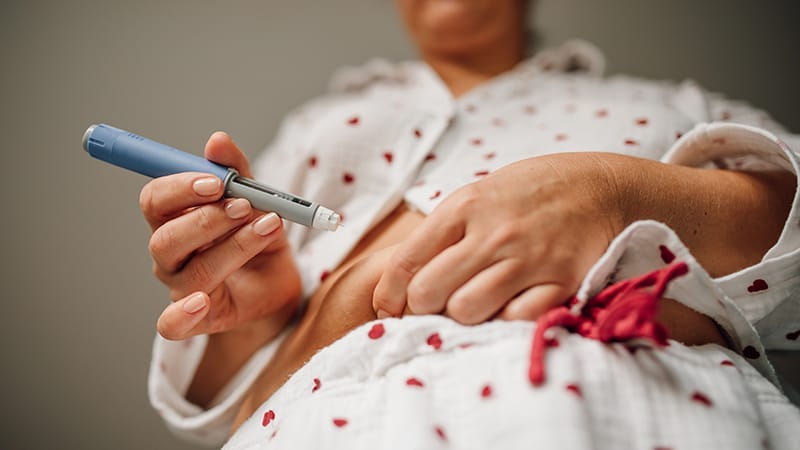
Not every version of these drugs is expanding safely, however. A new report on gray-market retatrutide, a triple-agonist compound sold outside the regulated pharmaceutical supply chain, found it may produce less weight loss than branded alternatives while carrying a higher risk of cardiovascular effects. That combination is worth flagging for anyone considering a compounded or unregulated source instead of a prescribed, FDA-approved medication. The appeal of gray-market drugs is often price or availability, but the tradeoff described here is a weaker result paired with a more serious risk profile, which is not a trade most patients would knowingly make.
The Medicare program itself carries its own fine print. Reporting on the Bridge program has identified one catch that could keep some beneficiaries from qualifying for the $50 price, even though the headline savings sound universal. The details of that condition matter for anyone assuming the lower price applies automatically once they are enrolled in Medicare, since eligibility appears to hinge on more than simply having a prescription. Patients who think they qualify would do well to confirm the specific requirement with their plan or pharmacist before counting on the discounted rate.
The effects of GLP-1 use are reaching well beyond pharmacies and stock portfolios, into how restaurants plan their bars. Industry analysts are now watching alcohol sales at the bar, since diners on GLP-1 medications tend to report less interest in drinking. If that pattern holds at scale, it could change a category that has long been one of the higher-margin parts of a restaurant's menu, and some operators are already factoring the shift into how they plan drink menus going forward.
The pharmacy fill numbers and the investor interest both point toward growing acceptance of these drugs, but today's reporting also makes clear that the details still matter. If you are covered by Medicare, I would suggest confirming with your plan whether the specific catch described above applies to your situation before assuming the $50 price is guaranteed. If you are weighing a compounded or gray-market product instead of a prescribed medication, the tradeoff described in the retatrutide report deserves real attention before you decide. Beyond those individual choices, the wider effects, from Wall Street bets to restaurant bar sales, suggest these drugs are changing more parts of the economy than most people expected a few years ago.
Key details
CVS and Walgreens each report 100,000 fills under Medicare's new $50 Bridge program.
Billionaire Ken Griffin nearly quadrupled his Eli Lilly stake in the second quarter.
Gray-market retatrutide may cause less weight loss and more cardiovascular effects.
A single catch could keep some Medicare patients from qualifying for the $50 price.
GLP-1 drugs' rise may cut restaurant alcohol sales as more diners drink less at bars.
Read this on GLP-1 Nation: https://glp1nation.com/edition/42